Best Deal on Smart Meters – Save Energy & Money Today!

-
Contact
-
Email
Best Deal on Smart Meters – Save Energy & Money Today!
26 Mar 2026 IPDS
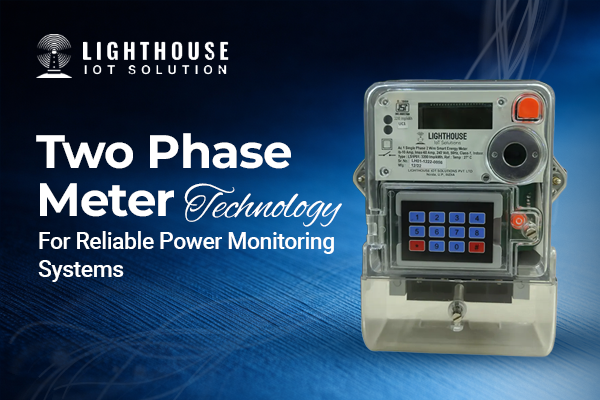
Electricity monitoring serves as the basic requirement for contemporary power management systems. The retail industry, residential buildings, and small business establishments depend on accurate measurement systems to monitor their energy usage. A Two Phase Meter helps measure energy across two supply lines. The setup functions appropriately for locations that need to distribute electrical power in a balanced manner between their various areas.
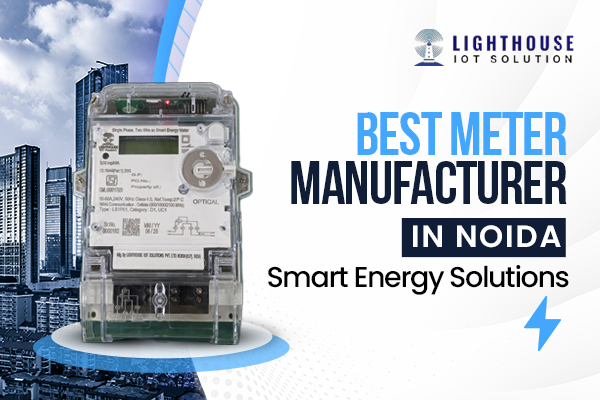
The system enables users to monitor electricity consumption by their devices through precise electrical measurement. Households achieve improved power management when they can track their electricity usage. The digital energy meter serves as the initial component for this monitoring process because it measures both voltage and current with exceptional accuracy.
Technology has transformed the way electricity meters operate. Electronic circuits replaced traditional mechanical components. As a result, energy monitoring systems now provide dependable readings that help users understand consumption patterns more clearly.
Electricity monitoring serves as the basic requirement for contemporary power management systems. The retail industry, residential buildings, and small business establishments depend on accurate measurement systems to monitor their energy usage. A Two Phase Meter helps measure energy across two supply lines. The setup functions appropriately for locations that need to distribute electrical power in a balanced manner between their various areas.
The system enables users to monitor electricity consumption by their devices through precise electrical measurement. Households achieve improved power management when they can track their electricity usage. The digital energy meter serves as the initial component for this monitoring process because it measures both voltage and current with exceptional accuracy.
Digital displays make it easier to read energy measurements. Users see exact figures that display on the screen instead of having to read rotating dials. Clear measurement also encourages responsible electricity use. People who understand their consumption patterns will tend to use energy more responsibly in their homes and workplaces.
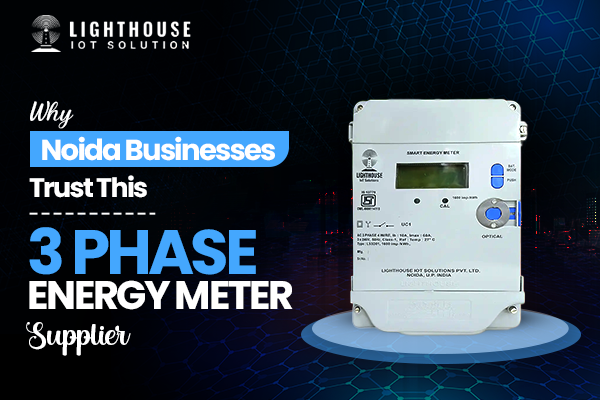
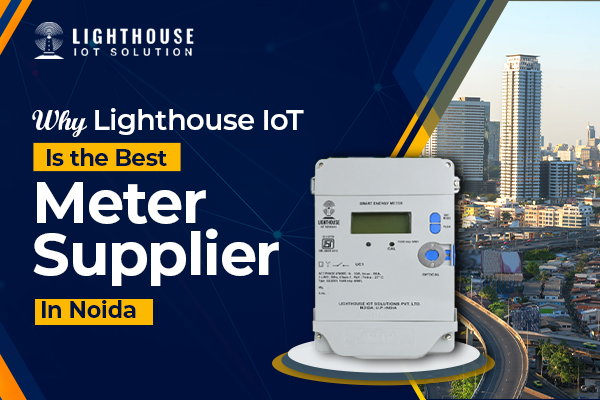
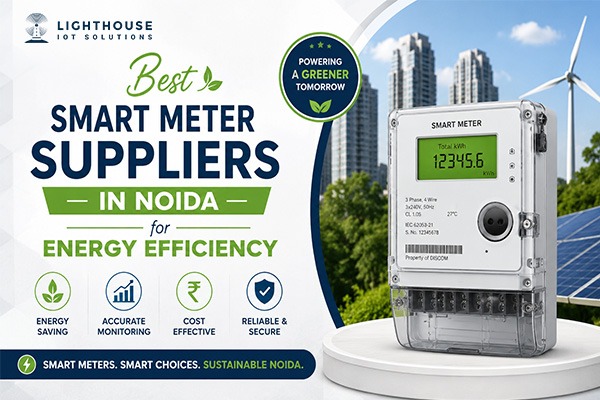
Digital monitoring has introduced new measurement capabilities that enable more accurate electricity assessment. A smart energy meter provides data through electronic sensors that track voltage, frequency, plus energy flow. The new method delivers more precise results compared to existing measurement techniques. Smart energy monitoring enables users to transform standard meters into effective tools for measuring energy consumption.
Certain installations benefit from system integration through smart monitoring devices. Technicians can use performance data to conduct both diagnostics and inspection processes. Maintenance tasks become easier because engineers can monitor system operations through this feature without needing to open up the machinery.
Energy management sometimes requires direct interaction with the meter. The keypad meter offers a solution through a simple numeric interface built into the device. Users can enter recharge codes or access system functions directly through the keypad.
The keypad interface provides instant confirmation of balance or usage. Clear on-screen data helps users understand how much electricity remains available. Combined with a smart energy meter, this system offers precise control over consumption.
This technology has gained popularity in environments where energy budgeting plays an important role. Property managers also benefit because monitoring becomes easier when usage remains linked to prepaid access.
Communication technology has expanded the capabilities of electricity meters. A Bluetooth meter introduces wireless connectivity between the meter plus nearby digital devices. Smartphones or tablets can access energy readings without physical contact with the meter.
This capability simplifies routine monitoring. Property owners review consumption information through mobile applications instead of manual reading. Technicians also benefit from wireless communication. During installation or maintenance, engineers retrieve performance data through a connected device.
This process reduces inspection time while improving diagnostic accuracy. When a Two Phase Meter includes Bluetooth capability, monitoring both electrical phases becomes easier. Users access real-time information without approaching the meter physically.
Electronic measurement has replaced traditional dial meters across many installations. A digital energy meter records consumption through sensors that calculate voltage plus current. This method produces precise readings that reflect actual power usage.
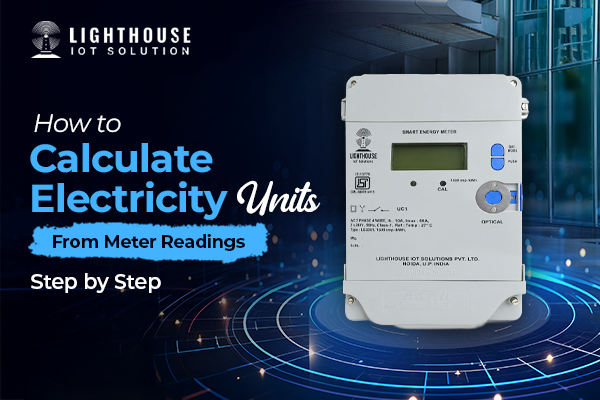
The display presents energy values in numerical format. Users, therefore, observe exact consumption figures immediately. Such clarity reduces the possibility of reading errors that sometimes occurred with older mechanical meters.
Buildings that require monitoring across multiple supply lines often rely on a Two Phase Meter combined with digital measurement technology. This configuration ensures balanced monitoring while maintaining stable performance across extended operation.
Digital systems also maintain a long operational life because they contain fewer mechanical components. As a result, maintenance requirements remain relatively low.
Energy monitoring technology continues to evolve through specialised engineering solutions. Lighthouse IoT develops systems designed to improve electricity measurement for residential plus commercial applications.
The company integrates solutions such as the Two Phase Meter, keypad meter, plus Bluetooth meter within modern monitoring infrastructure. These technologies allow users to observe energy usage while maintaining reliable system performance.
Lighthouse IoT also promotes advanced monitoring through the smart energy meter as well as the digital energy meter. These systems provide accurate data that helps users understand how electricity moves through a building.
When accurate information becomes available, property owners gain the ability to optimise electricity consumption. This visibility supports efficient energy management across various environments.
Electricity monitoring will continue evolving as digital infrastructure expands. Communication-enabled meters, improved sensors, and integrated data systems will shape the future of power measurement. These developments aim to deliver clearer insight into consumption patterns.
A Two Phase Meter remains essential for properties that operate across dual electrical supply lines. When combined with features such as a Bluetooth meter or keypad meter, monitoring becomes both convenient plus practical.
Through reliable monitoring technology, electricity consumption becomes easier to manage. This visibility contributes to better cost control while supporting long-term sustainability goals.