Best Deal on Smart Meters – Save Energy & Money Today!

-
Contact
-
Email
Best Deal on Smart Meters – Save Energy & Money Today!

25 Jun 2026 IPDS
Ever looked at your electricity bill, seen the total number of units, and wondered how they added up? You’re not alone. Many homeowners and renters pay their bills without really knowing what the numbers mean. But learning to read your meter and figure out how much you’re using is one of the easiest things you can do to keep your energy costs in check. This process can be made even easier with a meter reading calculator, but first, let us walk through the basics together.
Electricity is measured in kilowatt-hours (kWh). A 1,000-watt appliance uses one kWh of energy when it runs for one hour. For example, a 100-watt light left on for 10 hours uses 1 kilowatt-hour.
That's the rate you pay. The utility companies measure your usage in kWh and multiply it by the applicable tariff rate to create your bill. The more units you use, the higher the charge.
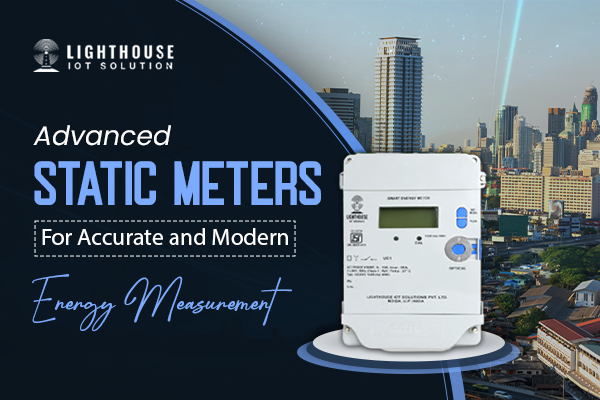
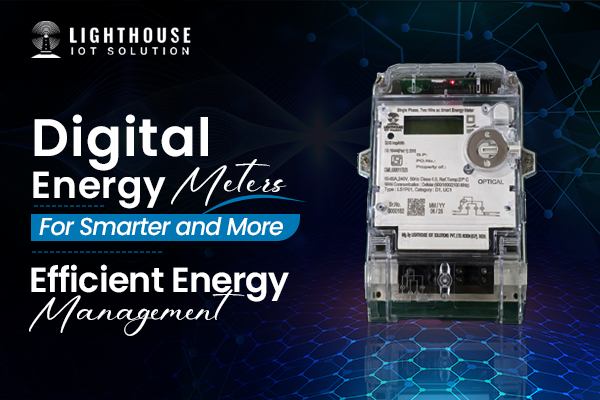
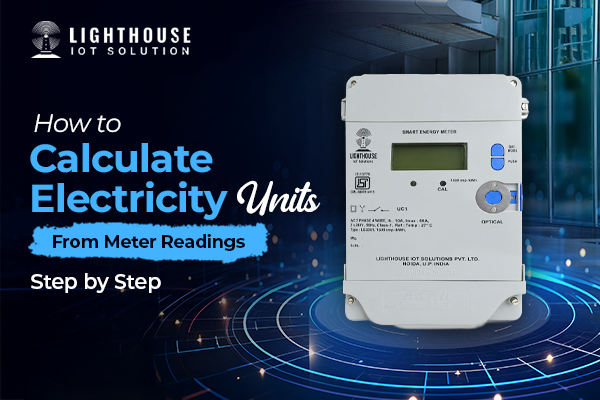
An electricity meter records how much energy your property draws from the grid. It runs continuously and displays a cumulative total in kWh.
Modern meters come in several types:
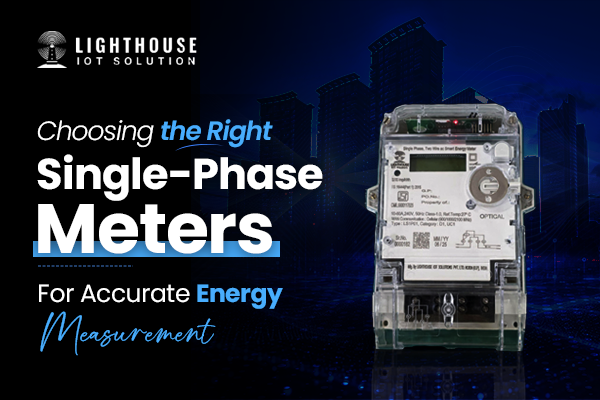
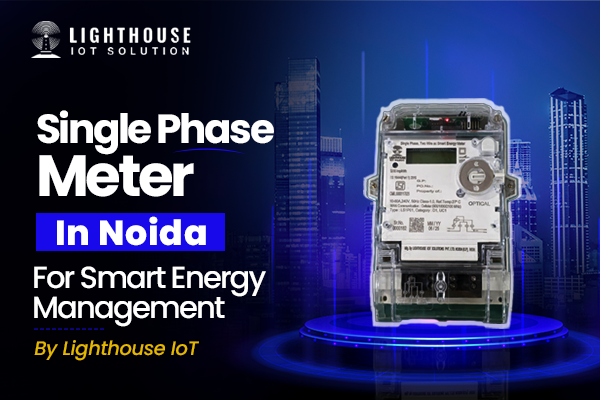
A Single Phase Meter is the standard meter found in most homes and small offices. It measures energy on a single-phase supply, which is the typical residential connection.
A single phase energy meter serves the same purpose as above, often used interchangeably. It is ideal for residential buildings and small commercial premises with moderate energy demands.
A keypad meter is a prepayment meter. You load credit onto it using a unique code entered via a keypad, and energy is deducted as you use it. This gives you tight control over spending.
A Bluetooth meter connects wirelessly to a smartphone app, letting you view real-time consumption data without squinting at a physical display.
Your meter reading is typically found on the digital or dial display on the front of the meter. Always read left to right and ignore any figures shown in red.
Find your last electricity bill or a note of your previous reading.
Write down the reading shown on your meter display.
The formula is straightforward:
Electricity Units Consumed = Current Reading − Previous Reading
Here is a simple example:
Previous Reading: 12,450 kWh
Current Reading: 12,780 kWh
Units Consumed: 12,780 − 12,450 = 330 kWh
Those 330 kWh are what your utility company will charge you.
Once you have the units consumed, multiply them by your tariff rate. If you pay $0.15 per kWh, your estimated bill for 330 kWh would be $49.50. This lets you anticipate costs before the bill arrives.
A meter reading calculator is a tool, either digital or built into an app, that automates the subtraction and cost calculation for you. Instead of doing the arithmetic manually, you enter your two readings and your tariff, and the calculator does the rest.
Benefits include:
Faster calculations with no manual arithmetic
Reduced errors from misread digits or incorrect subtraction
Better energy tracking over weeks and months
Improved budgeting by forecasting costs before bills arrive
Many utility providers offer these calculators on their websites, and some smart meters come with companion apps that handle everything automatically.
Lighthouse IoT offers a range of modern meter types designed for different needs, such as:
A keypad meter is a prepayment solution that puts you in direct control of your energy spending. You purchase credit in advance, enter a PIN or voucher code into the keypad, and the meter deducts usage as you go. There are no surprise bills at the end of the month, making this option popular with budget-conscious households and rental properties.
Bluetooth meter pairs with your smartphone app, and enable you to check your energy usage from anywhere without physically needing to check the meter. With this wireless connectivity, you will have real-time insight into your usage patterns.
A single phase energy meter is the most commonly installed meter type in residential and commercial buildings. It handles the energy demands of standard household appliances reliably. It forms the backbone of energy measurement for millions of properties worldwide.
Recording the wrong digits due to poor lighting or haste
Missing decimal points, which can inflate or deflate readings significantly
Relying on estimated readings instead of actual ones
Comparing readings from different meters in a multi-meter building
Skipping regular checks and only reviewing readings when a bill arrives
Take meter readings each month and record those in a simple spreadsheet
Detect high consumption appliances by observing consumption before and after switching off
Replace older devices with lower-wattage, more energy-efficient models
Peak consumption often comes from seasonal patterns, with heating and cooling
Set up consumption alerts using smart meter features or a Bluetooth meter app
Understanding how electricity units are calculated from meter readings puts you in a stronger position to manage your energy costs. The process is simple: note your previous reading, record the current one, subtract to find the units consumed, and multiply by your tariff to estimate your bill. A meter reading calculator takes even this small effort away, giving you instant results. And with modern solutions like keypad meters, Bluetooth meters, and single-phase energy meters, monitoring your consumption has never been more accessible or convenient.
If you are also looking for reliable metering solutions to simplify energy monitoring? Explore Lighthouse IoT's range of advanced electricity meters and discover smarter ways to track, manage, and optimise your energy consumption.
Take the last reading and subtract the present reading. The difference is your KWH usage.
A tool that will calculate your units used and estimated cost as soon as you type in your two readings.
A standard meter bills you after use. The keypad meter is prepaid. You first load credit. Then you consume.
It connects to your phone and displays live usage data, allowing you to monitor consumption without having to look at the meter.
In most homes, flats, and small businesses for measuring standard everyday electricity consumption.